
The Sweet Benefits of Choosing Local Honey

Honey has been a beloved natural sweetener for centuries, but not all honey is created equal. Choosing locally sourced honey offers unique advantages that go beyond just taste. From supporting local ecosystems to providing health benefits, local honey brings a range of rewards that many consumers overlook. This article explores why selecting honey from nearby beekeepers can be a smart and satisfying choice.

How Local Honey Supports the Environment
Local honey production plays a vital role in maintaining healthy ecosystems. Bees are essential pollinators, and supporting local beekeepers helps sustain their populations. When you buy honey from nearby sources, you encourage practices that protect native plants and flowers.
Pollination of local crops: Bees pollinate fruits, vegetables, and flowers in the area, boosting biodiversity and crop yields.
Preservation of native plants: Local bees tend to forage on native plants, helping maintain the natural balance of the environment.
Reduced pollution footprint: Transporting honey over long distances requires fuel and packaging, increasing environmental impact. Local honey travels less, reducing emissions.
By choosing local honey, you contribute to a healthier environment and help keep bee populations thriving.
Unique Flavors Reflecting Local Flora
One of the most delightful aspects of locally sourced honey is its distinctive taste. The flavor of honey depends heavily on the flowers the bees visit. Since these flowers vary by region and season, local honey offers a unique profile that you won’t find in mass-produced varieties.
Seasonal variety: Honey harvested in spring tastes different from honey collected in late summer due to the changing flowers.
Regional differences: Honey from wildflower blooms in one area will differ from honey made from clover or orange blossoms elsewhere.
Complex flavor notes: Local honey can have floral, fruity, or even herbal undertones, making it a gourmet treat.
Tasting local honey is like sampling the essence of your region’s natural landscape.

Health Benefits of Local Honey
Many people turn to honey for its potential health benefits, and local honey may offer some advantages worth considering. While honey is not a cure-all, research and anecdotal evidence suggest several positive effects.
Natural allergy relief: Some studies indicate that consuming small amounts of local pollen in honey might help reduce seasonal allergy symptoms by building tolerance.
Antioxidant properties: Honey contains antioxidants that help protect cells from damage caused by free radicals.
Soothing sore throats: A spoonful of honey can coat the throat and ease irritation, making it a popular home remedy for colds.
Energy boost: Honey provides natural sugars that can quickly increase energy levels without the crash associated with processed sugars.
Choosing local honey means you are likely getting raw or minimally processed honey, which retains more of these beneficial compounds.
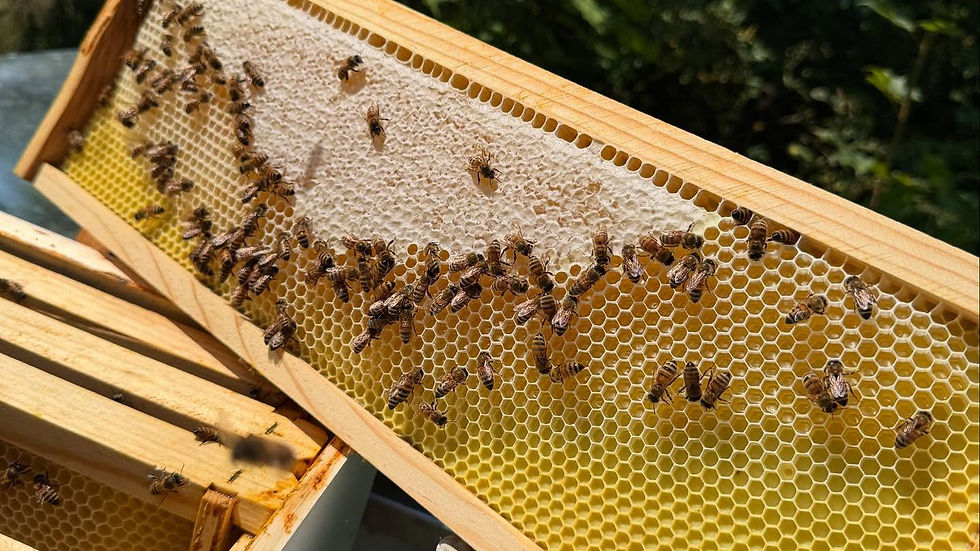
Supporting Local Economies and Communities
Buying honey from local producers strengthens the economy in your area. Small-scale beekeepers often rely on direct sales through farmers markets, local stores, or community-supported agriculture programs.
Keeps money local: Your purchase helps sustain local businesses, farms and families.
Builds community connections: Meeting the beekeeper and learning about their practices fosters trust and appreciation for the product.
Encourages sustainable farming: Local producers tend to use environmentally friendly methods compared to large commercial operations.
Supporting local honey producers means investing in your community’s well-being and resilience.
How to Identify Genuine Local Honey
With the rise in popularity of local honey, it’s important to know how to find authentic products. Here are some tips to ensure you get real local honey:
Check the label: Look for information about the beekeeper or farm location.
Visit farmers markets: Buying directly from producers allows you to ask questions and verify the source.
Look for raw or unfiltered honey: These types retain more natural properties and are less likely to be blended.
Beware of generic “local” claims: Some products may use vague terms without clear origin.
Taking these steps helps you enjoy the full benefits of genuine local honey.
Creative Ways to Use Local Honey
Local honey is versatile and can enhance many dishes and remedies. Here are some practical ideas:
Sweeten tea or coffee: Add a natural touch without refined sugar.
Drizzle over yogurt or oatmeal: Boost flavor and nutrition at breakfast.
Use in salad dressings: Combine with mustard and vinegar for a sweet tang.
Glaze roasted vegetables or meats: Honey caramelizes beautifully in the oven.
Make homemade skincare: Mix with sugar or oats for gentle exfoliation.
Experimenting with local honey in your kitchen can deepen your appreciation for this wonderful, natural product. Call or text Parkside Farm at 616-201-0220 to pick up honey today or place an order online for pickup.

Comments